Key Challenges in Regulatory Change Management and How Companies Can Overcome Them Successfully
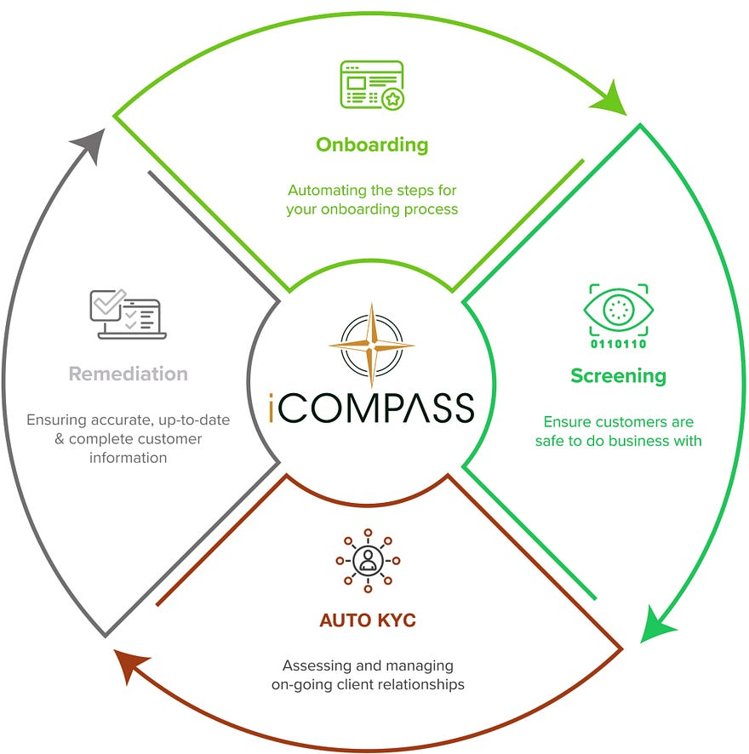
regulatory change management is a structured approach that organizations use to identify, assess, implement, and monitor changes in laws, regulations, and compliance requirements that affect their operations. In an increasingly complex global business environment, regulatory landscapes are constantly evolving. Governments and regulatory bodies frequently update rules related to data privacy, environmental protection, financial reporting, workplace safety, and industry-specific standards. As a result, organizations must maintain a proactive system that ensures they remain compliant while minimizing disruption to business processes.
At its core, regulatory change management is about control and adaptation. Companies that operate without a structured approach often face risks such as legal penalties, reputational damage, operational inefficiencies, and financial losses. On the other hand, organizations that implement a disciplined process can respond quickly to regulatory updates, integrate changes smoothly into their workflows, and maintain continuous compliance. This involves not only tracking new and updated regulations but also interpreting their implications and translating them into actionable internal policies and procedures.
A key component of regulatory change management is regulatory intelligence. This refers to the process of continuously monitoring sources of regulatory information, such as government publications, industry regulators, legal databases, and compliance bulletins. Effective regulatory intelligence systems help organizations stay ahead of upcoming changes rather than reacting after enforcement begins. In many modern enterprises, this process is supported by digital tools and automated platforms that aggregate regulatory updates and categorize them based on relevance to specific departments or business functions.
Once a regulatory change is identified, the next step is impact assessment. This stage involves analyzing how the new or updated regulation affects existing operations, processes, systems, and documentation. Different departments may be affected in different ways. For example, a change in data protection laws may significantly impact IT systems, customer service protocols, and data storage practices, while a change in environmental regulations may primarily affect manufacturing and supply chain operations. A thorough impact assessment ensures that no critical area is overlooked and that all necessary adjustments are identified early.
After the impact has been assessed, organizations move into the planning and implementation phase. This step involves designing a structured response plan that outlines what changes need to be made, who is responsible for each task, and the timeline for completion. It may include updating internal policies, modifying operational workflows, retraining employees, upgrading software systems, or introducing new compliance controls. Strong coordination between departments is essential during this phase, as regulatory changes often cut across multiple business functions. Leadership involvement is also critical to ensure that compliance initiatives are prioritized appropriately.
Training and communication play a vital role in successful regulatory change management. Employees at all levels must understand what has changed, why it has changed, and how it affects their daily responsibilities. Without clear communication, even well-designed compliance processes can fail due to inconsistent execution. Organizations often use training sessions, internal documentation, workshops, and digital learning platforms to ensure that employees are fully informed and capable of adhering to new requirements. Consistent communication also helps build a culture of compliance, where employees recognize the importance of regulatory adherence as part of their routine work.
Another important aspect is documentation and audit readiness. Regulatory bodies often require organizations to demonstrate how they have implemented specific changes and maintained compliance over time. Proper documentation ensures that every step of the regulatory change process is recorded, including identification, assessment, decision-making, implementation, and verification. This not only supports external audits but also improves internal accountability and transparency. Companies that maintain strong documentation practices are better equipped to handle inspections and reduce the risk of compliance gaps.
Technology has become a major enabler in modern regulatory change management. Many organizations now use compliance management software, workflow automation tools, and artificial intelligence-driven monitoring systems to streamline the entire process. These tools can automatically track regulatory updates, assign tasks to relevant stakeholders, and provide dashboards for real-time visibility into compliance status. Automation reduces manual effort, minimizes human error, and ensures faster response times to regulatory changes. As regulatory environments continue to grow in complexity, reliance on technology is expected to increase further.
Risk management is closely linked to regulatory change management. Every regulatory change introduces some level of risk, whether operational, financial, or strategic. By integrating regulatory change management into the broader risk management framework, organizations can better evaluate potential exposures and prioritize responses based on risk severity. This alignment ensures that compliance efforts are not isolated activities but part of a comprehensive governance strategy.
In conclusion, regulatory change management is an essential discipline for any organization operating in a regulated environment. It provides a structured framework for staying compliant, reducing risk, and maintaining operational stability in the face of continuous regulatory evolution. By combining regulatory intelligence, impact assessment, structured implementation, effective communication, documentation, and technology, organizations can transform compliance from a reactive burden into a proactive strategic advantage. Those that invest in strong regulatory change management systems are better positioned to adapt to change, maintain trust with stakeholders, and achieve long-term sustainability in an increasingly regulated world.

Comments
Post a Comment