Austrac Reporting Process Explained for Beginners in Financial Industry
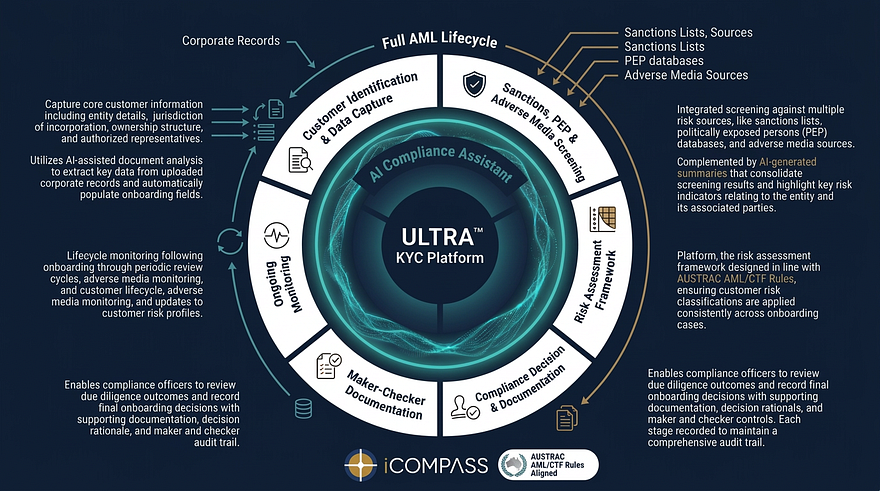
Introduction to Austrac Reporting
Austrac reporting plays a crucial role in maintaining financial integrity and preventing illegal activities such as money laundering and terrorism financing. Businesses operating within regulated sectors must understand the importance of Austrac reporting to ensure they remain compliant with legal obligations. This reporting framework is designed to monitor financial transactions, detect suspicious activities, and support law enforcement agencies in protecting the financial system.
Austrac reporting is not just a legal requirement; it is a vital component of responsible business operations. Companies that fail to comply may face severe penalties, reputational damage, and legal consequences. Therefore, understanding how Austrac reporting works and implementing proper systems is essential for any organization dealing with financial transactions.
What is Austrac Reporting?
Austrac reporting refers to the process by which businesses report certain financial transactions and activities to the Australian Transaction Reports and Analysis Centre (AUSTRAC). This government body is responsible for detecting and preventing financial crimes. Reporting entities include banks, financial institutions, casinos, remittance service providers, and other businesses that handle significant financial transactions.
The main purpose of Austrac reporting is to ensure transparency in financial dealings. It helps authorities track unusual patterns and identify potential risks. By submitting accurate and timely reports, businesses contribute to a safer financial ecosystem.
Types of Austrac Reports
There are several types of reports that businesses must submit under Austrac reporting requirements. Each type serves a specific purpose and helps authorities monitor different aspects of financial activity.
Threshold Transaction Reports (TTRs)
These reports are required for transactions that exceed a certain monetary limit, typically involving large cash amounts. Businesses must report these transactions to ensure that high-value cash movements are tracked and verified.
Suspicious Matter Reports (SMRs)
If a business suspects that a transaction may be linked to criminal activity, it must submit a Suspicious Matter Report. This is one of the most critical aspects of Austrac reporting, as it helps detect fraud, money laundering, and other illegal activities.
International Funds Transfer Instructions (IFTIs)
These reports are required for transactions involving money transferred into or out of Australia. They help monitor cross-border financial movements and prevent illegal fund transfers.
Compliance Reports
Businesses must also submit regular compliance reports to confirm that they are meeting Austrac reporting obligations. These reports demonstrate that proper systems and controls are in place.
Why Austrac Reporting is Important
Austrac reporting is essential for several reasons. First, it helps prevent financial crimes that can harm economies and societies. By monitoring transactions, authorities can identify suspicious behavior and take action before significant damage occurs.
Second, Austrac reporting promotes transparency and trust in the financial system. Customers and stakeholders feel more confident when businesses follow strict compliance measures. This trust is vital for long-term success.
Third, compliance with Austrac reporting requirements protects businesses from legal risks. Failure to report correctly can lead to heavy fines, regulatory actions, and even business closure. Therefore, maintaining accurate reporting practices is not optional — it is a necessity.
Key Requirements for Austrac Reporting
To comply with Austrac reporting regulations, businesses must follow several key requirements. These include:
Customer Identification (KYC)
Businesses must verify the identity of their customers through Know Your Customer (KYC) procedures. This ensures that all transactions are linked to legitimate individuals or entities.
Record Keeping
Organizations must maintain detailed records of transactions and customer information. These records should be stored securely and be easily accessible for auditing purposes.
Risk Assessment
Businesses must assess the level of risk associated with their operations. This involves identifying potential vulnerabilities and implementing measures to mitigate them.
Employee Training
Staff members should be trained to recognize suspicious activities and understand Austrac reporting procedures. Proper training ensures that employees can act quickly and effectively when needed.
Challenges in Austrac Reporting
Despite its importance, Austrac reporting can present several challenges for businesses. One of the main difficulties is keeping up with constantly evolving regulations. Compliance requirements may change over time, requiring businesses to update their systems and processes.
Another challenge is managing large volumes of data. Financial institutions, in particular, handle thousands of transactions daily. Monitoring and reporting all relevant activities can be complex and time-consuming.
Additionally, identifying suspicious transactions is not always straightforward. Businesses must rely on advanced systems and skilled personnel to detect unusual patterns. Without proper tools, there is a risk of missing critical information.
Best Practices for Effective Austrac Reporting
To overcome these challenges, businesses should adopt best practices that enhance their Austrac reporting processes.
Implement Advanced Technology
Using automated systems can simplify data collection and reporting. Modern compliance software can analyze transactions in real time and flag suspicious activities.
Regular Audits and Reviews
Conducting regular internal audits helps ensure that reporting processes are functioning correctly. It also allows businesses to identify and address any gaps in compliance.
Stay Updated with Regulations
Businesses should keep track of regulatory changes and update their policies accordingly. Subscribing to official updates or consulting compliance experts can be beneficial.
Develop a Strong Compliance Culture
Creating a culture of compliance within the organization ensures that all employees understand the importance of Austrac reporting. This reduces the risk of errors and improves overall efficiency.
Consequences of Non-Compliance
Failing to comply with Austrac reporting requirements can have serious consequences. Businesses may face financial penalties, legal action, and damage to their reputation. In severe cases, non-compliance can lead to the suspension or cancellation of business operations.
Regulatory authorities take Austrac reporting violations very seriously. Even minor errors can result in significant fines if they are repeated or left uncorrected. Therefore, businesses must prioritize compliance and invest in proper systems and training.
Future of Austrac Reporting
The future of Austrac reporting is likely to be shaped by technological advancements and increased regulatory scrutiny. Artificial intelligence and machine learning are expected to play a significant role in detecting suspicious activities more accurately.
As financial systems become more complex, the need for robust reporting mechanisms will continue to grow. Businesses must adapt to these changes and embrace new technologies to stay compliant.
Conclusion
Austrac reporting is a fundamental aspect of financial regulation that ensures transparency, security, and trust in the financial system. By understanding its requirements and implementing effective practices, businesses can protect themselves from legal risks and contribute to a safer economic environment.
Compliance may seem challenging, but with the right approach, it becomes manageable and even beneficial. Organizations that prioritize Austrac reporting not only meet legal obligations but also strengthen their reputation and operational efficiency. In today’s fast-paced financial landscape, staying compliant is not just a requirement — it is a strategic advantage.

Comments
Post a Comment